
Respect not Neglect
How to tell whether a kennel really cares for its dogs - and why Hetta Huskies stands head and shoulders above most.
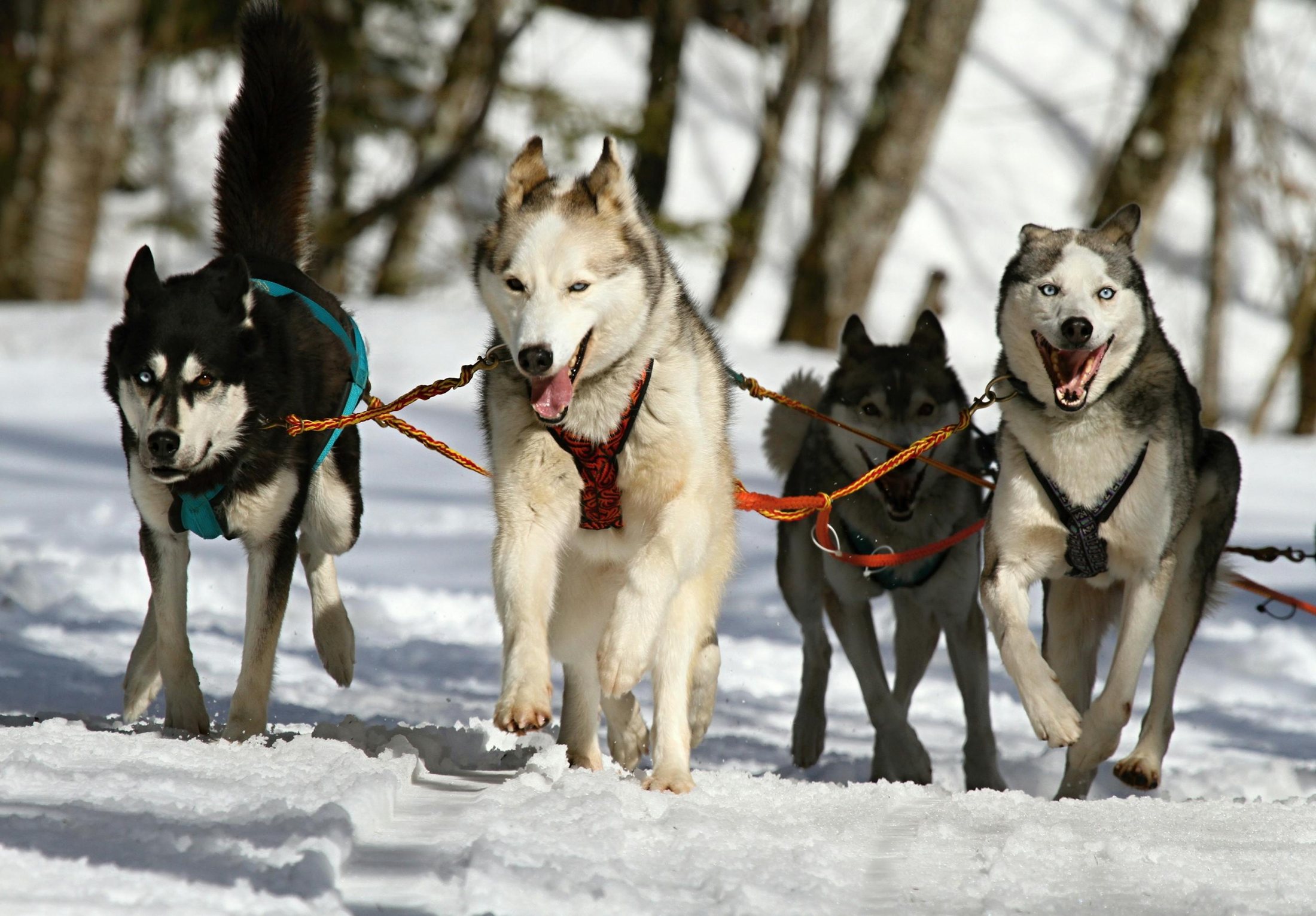
The care given to the dogs is one way Hetta Huskies stands head and shoulders above most kennels. Some clients assume all Scandinavian kennels care to a similar level. Sadly, they do not, and dressing up the facts in marketing does not make them true.
- GOLD, 2015 World Responsible Tourism Awards - Best Animal Welfare Initiative
- 'No-cull' policy - one of only five or six farms known to follow it
- Weekly dog checks and weight monitoring, detailed medical records per dog
- Sled dogs burn 1000-7000 calories per day
Why it matters
If this matters to you, dig deeper into how the animals are really cared for. Companies with a genuine ethical commitment to their dogs tend also to look after their human clients well. In 2015 our work to raise industry standards earned a GOLD in the World Responsible Tourism Awards for the Best Animal Welfare Initiative.
02How will I know if the farm looks after the dogs well?
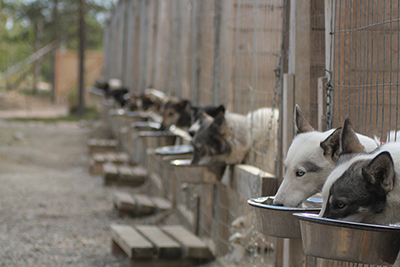
Check the images and information in a farm's marketing and how openly it answers questions. Reputable kennels share detailed, transparent information and post pictures of the farm and kennels themselves, not just people cuddling dogs. Unwillingness to be transparent about animal care usually signals a problem.
03Ask some more questions
Ask how many people care for the dogs in summer and winter, and how experienced they are. A core group who intimately know and love the dogs is critical to welfare and safety. Most farms with c. 100 dogs have a couple of summer carers, some with up to 600 dogs only three or four. Our guides return year after year, backed by trainees staying a minimum of three months.
04Industry standards
Most Scandinavian kennels get annual vet visits, but the standards measured are so minimal the visit is almost a token gesture, and the only internationally recognised standard, Mush with Pride, asks fairly little. British Columbia, Canada is the exception, introducing around 2012 a Sled Dog Code of Practice and a Sled Dog Standards of Care Regulation under the Prevention of Cruelty to Animals Act. Scandinavia has nothing similar.
05End of life plan
On most farms, dogs are put down once their useful life is over, and farms can legally shoot their own dogs if the person with the gun is capable. Hetta Huskies, with about five or six farms we know of, has a no-cull policy. We keep the puppies we breed as part of the family, our old dogs share large running fences, and near the end they move into the house for comfy months on the sofa and beds.
06Health monitoring and feeding
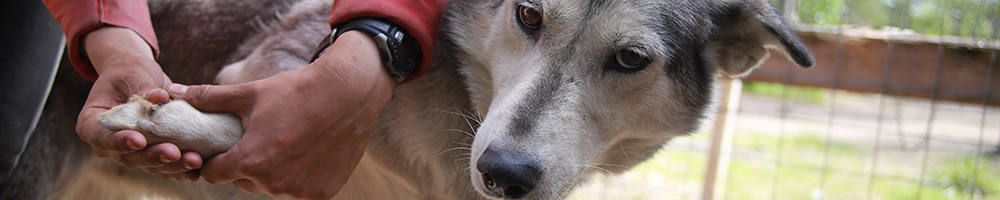
Few farms check as regularly as we do, most are reactive. Area vets call us the 'lump and bump farm' for the lumps our weekly dog checks find.
- Records: we keep detailed records from medicine use to full medical histories, vaccination and deworming schedules
- Weighing: each dog is weighed weekly, with portions adjusted for kilometres run and ambient temperature
- Feeding plans: sled dogs burn 1000 to 7000 calories a day, sometimes more, so each dog has its own plan
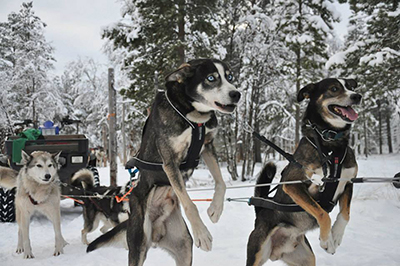
- Touring dogs: must be well trained, muscularly fit and of sufficient weight to keep them and you safe, fit, not skinny
 Baselining Finnish StandardsWhy Finland should lead Europe on tougher sleddog welfare guidelines, given the husky industry's value to the northern economy.
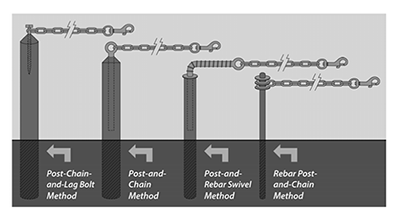 BC's Minimum Standard RegulationsBritish Columbia's mandatory Sled Dog Standard of Care Regulation, the legally enforceable minimum standards for containment, housing and care that supplement the voluntary code.
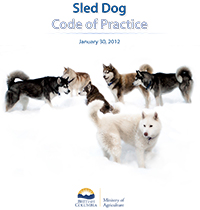 BC's Voluntary Codes of Best PracticeBritish Columbia's Sled Dog Code of Practice, the voluntary, higher-standard first tier of a two-tier welfare system, reproduced here as a springboard for other regions.
 Finland's Current RegulationsFinland has some of the toughest animal welfare legislation in the world, but it is not well suited to the realities of caring for sleddogs.
 Future European Standards?A work-in-progress proposal for a two-tier welfare system for Scandinavian sleddog farms, drawn from BC legislation, Mush with Pride and industry knowledge.
 Lappish Sleddog Entrepreneur's AssociationIn 2012, leading Lappish mushing businesses founded an association to give sled dog entrepreneurs a common voice on welfare, quality and sustainability.
 Leading ChangeHetta Huskies' role in a Finnish research project bringing tourism companies together to challenge practices and improve transparency in sleddog welfare.
 Mush with PrideHetta Huskies benchmarked its kennel against the international Mush with PRIDE standard and earned its highest rating, Certification Plus.
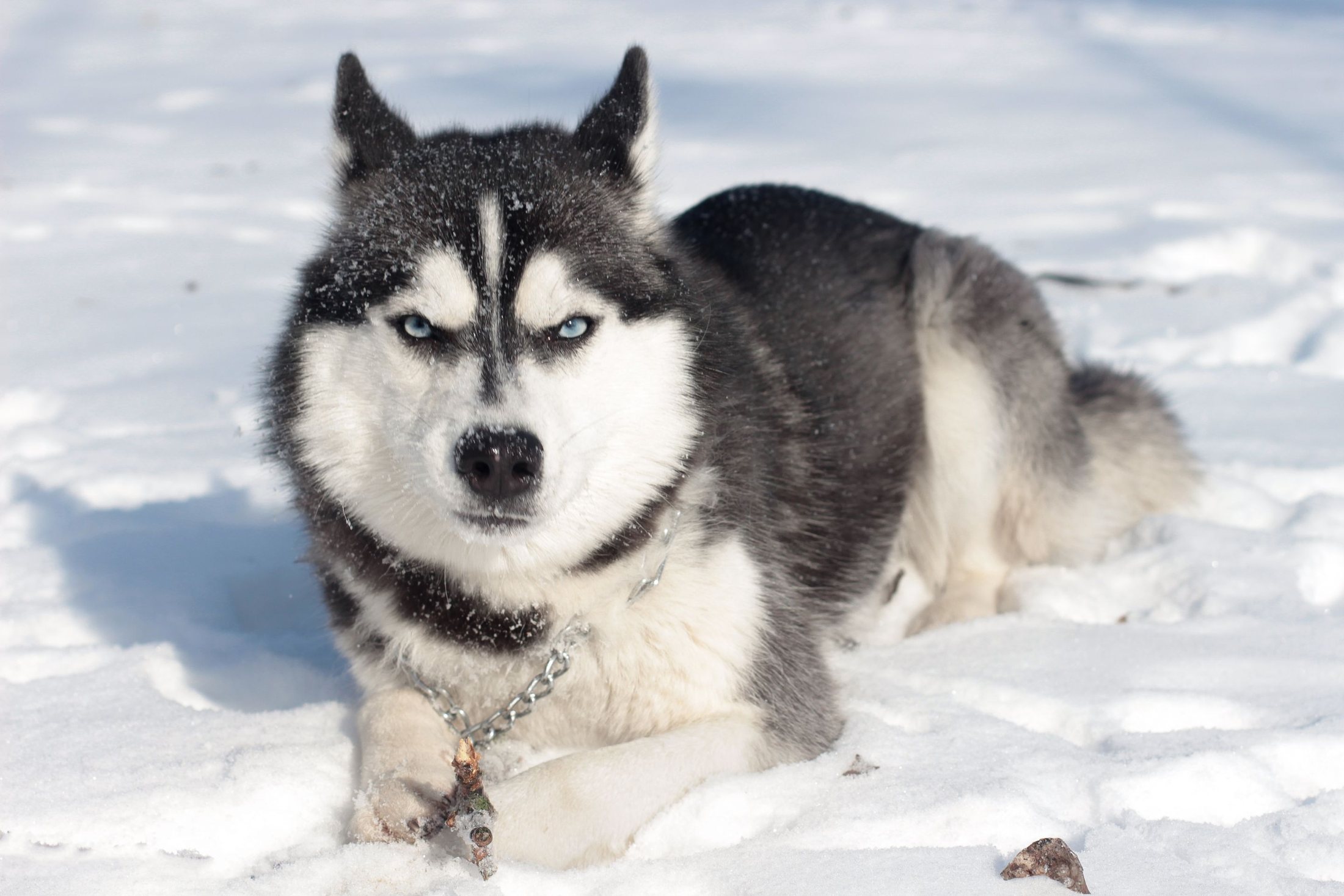 PRIDE's Voluntary Codes of PracticeThe full Mush with P.R.I.D.E. voluntary sled-dog care guidelines reproduced in detail, covering dog-yard housing, feeding and watering, training and conditioning and more.
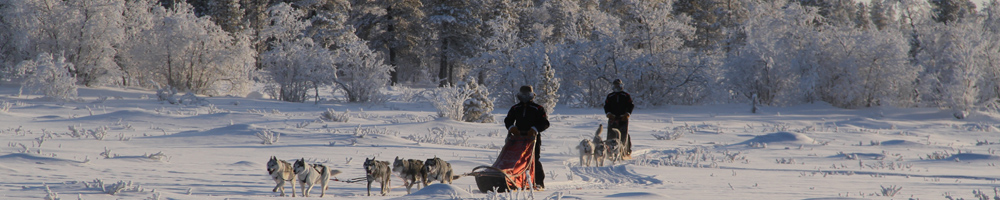 The Need for StandardsWhy the sled dog industry needs certifiable codes of practice and enforceable minimum standards to safeguard both dogs and the sport's future.
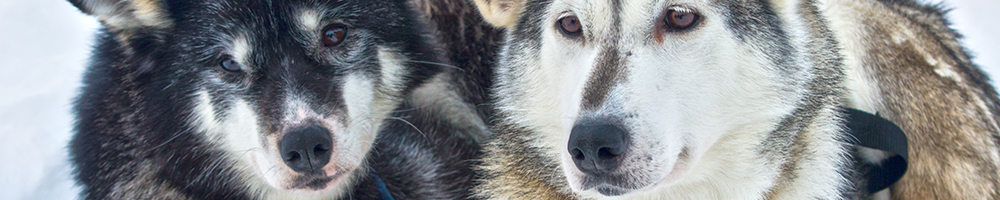 Why BC Leads the WayHow the British Columbia sled dog cullings of 2010 forced the industry to build a two-tier system of welfare protection the rest of the world can learn from.
Good to know
- Policy
- No-cull / no-kill
- Award
- GOLD, 2015 World Responsible Tourism Awards (Best Animal Welfare Initiative)
Come and meet them
Two hundred huskies, and every one of them has a name.