
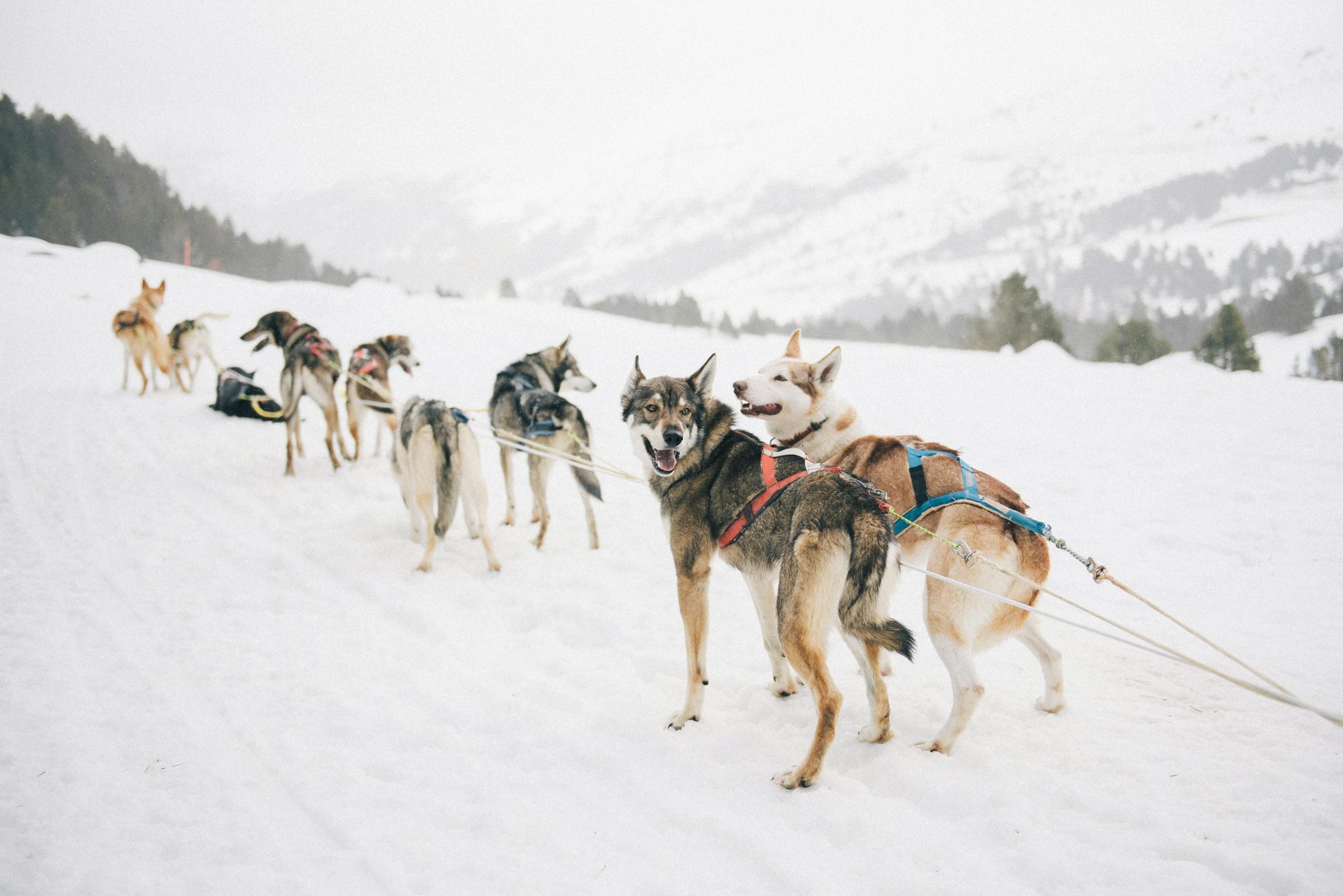
Seasonal Landscapes
How Lapland's nature changes through its eight distinct climatic seasons, from the first snows to the midnight sun and the autumn ruska.
Lapland is known for having 8 fairly distinct climatic seasons. Winter itself lasts for about a year, so the usual four seasons of the rest of Europe don't really apply, and each season reflects the outdoor activities most common at that time of year.
- Lapland has 8 distinct climatic seasons
- First snows can fall as early as August-September; permanent cover by November
- Over 3 weeks of polar night in Enontekiö during deep winter
- February is the coldest month; snow can exceed a metre
- Summer brings the midnight sun; average temperatures 10-16°C
- Autumn ruska brings golden and crimson colours from early September
Early Winter's First Snows
The first snow may fall as early as August-September, though permanent cover normally arrives in November. Christmastime is the darkest part of Lapland's twilight period, when the sun stays below the horizon and there are only a few hours of daylight.
Deep Twilight Winter
In Enontekiö the sun stays below the horizon for over 3 weeks, a time known as deep winter, when the northern lights dance regularly in the dark skies.
Frosty Winter
February is statistically the coldest month, the transition from deep winter to frosty winter. By now most of the season's snow has fallen, the cover is over a metre deep, and with daylight returning this is the time to marvel at the white scenery and snow-laden trees.
Crusty Winter
As spring comes the snow turns crusty, the next distinct 'season' before the snow and ice start to melt in early summer.
Early Spring - good outdoor conditions
Sunshine returns to reflect spectacularly off the glistening snow, and just-below-zero temperatures entice people outdoors. Late March has the most snow, and skiing conditions stay excellent through to mid-May.
Late Spring - the ice melt
The snow gradually melts, birds greet the day in song and catkins form on the willows. It may even snow in late spring, but summer is on its way.
Summer and the Midnight Sun
Summer in Lapland is bright, the time of the nightless night, when the midnight sun stays above the horizon for weeks. Hot days (over 25°C) are rare, with averages between 10 and 16°C, though in recent years some weeks have been hotter than anywhere else in Europe.
Before midsummer, frost can still strike: early June can dip a few degrees below zero and even bring snow. Known as back winter, it is hard on the flora, whose growing season lasts only around three months. Late July is the warmest time of summer.
Harvest Time / Late Summer
Harvest was when Lapland folk worked hard to bring in what food they could before the frosts of early winter. This post-mosquito period, before the autumn colours arrive, has a special place in Finnish hearts.
Autumn
As the first night frosts set in and the days shorten, leaves turn from green to golden yellow and glowing crimson, the period of colour and splendour called ruska. In the north, ruska generally starts after the first week in September.
Good to know
- First snow
- August-September (permanent cover by November)
Ready when you are
Real wilderness, 200+ huskies, eighteen winters in.