
The Worldwide Need for Standards in the Sleddog Industry
Why the sled dog industry needs certifiable codes of practice and enforceable minimum standards to safeguard both dogs and the sport's future.
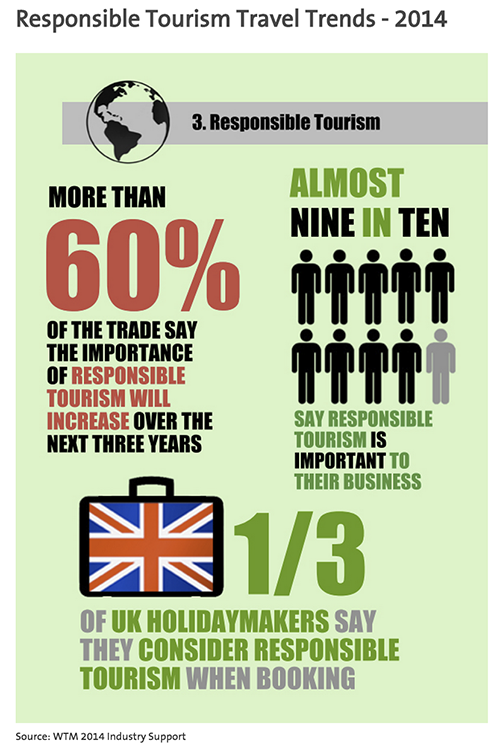
Public concern about sleddog welfare, in safaris and racing alike, has grown, partly through the rise of responsible tourism and partly through press scandals, the British Columbia cullings above all. To safeguard the sport, the industry must tackle this proactively and lift average farm standards high enough that concerned consumers can take part with confidence.
- Estimated ~3000 dogs within a 2-hour radius of the farm; 5-6000 including Kiruna, Alta and Tromso
- Gold award, World Responsible Tourism Awards 2015 (Best Animal Welfare Initiative)
- Mush with PRIDE founded in the 1990s; ~500 members worldwide
- Hetta Huskies achieved PRIDE's highest 'certificate plus' rating
- Calls for mandatory minimum standards specific to sleddog farms, not just voluntary codes
Justifying the need at a Finnish parliamentary level
Our best estimate is around 3000 dogs on farms within a 2-hour radius of our own, and 5-6000 once the nearest urban centres in Sweden (Kiruna) and Norway (Alta and Tromso) are counted. Sleddogs are pivotal to northern tourism, so their value to the regional economy is plain.
Our work here earned a Gold award in the 'Best Animal Welfare Initiative' category of the World Responsible Tourism Awards, 2015.
Birth and death factors
It is still relatively common to cull the old or infirm at the end of the working season, keeping the kennel young and healthy and cutting the cost of the long, income-free summer. That was the pattern in British Columbia, where a post-games surplus left kennels unable to keep every dog. A few deaths a year draw little attention. Mass graves, rightly, cause outrage. Norms acceptable 20 years ago are 20 years out of date.
How the industry responded: Mush with PRIDE
The first response came in the 1990s with Mush with PRIDE (Providing Responsible Information on Dogs in their Environment), whose recommended standards for food, water, exercise and kennel size became the leading international benchmark. It has about 500 members, mostly in the US and Canada.
Our farm holds its highest 'certificate plus' rating through the Voluntary Kennel Inspection Program. But voluntary standards are unenforceable, and the dogs that most need help live in kennels that will only answer to mandatory minimum standards specific to sleddog farms.
The British Columbia case study
When the cullings flooded the press, US activists called for a ban on sleddogs altogether, threatening one of British Columbia's most important tourism markets because of the actions of a few. Its stakeholder task group answered with two levels of management: 1) a reference document of recommended best practices, The Sled Dog Code of Practice, and 2) a legal regulation of minimum care, the Sled Dog Standards of Care Regulations. The research behind them is now a resource for any sleddog region developing its own standards.
Good to know
- Dogs within 2-hour radius
- ~3000 (5-6000 incl. Sweden/Norway centres)
- Award
- Gold, World Responsible Tourism Awards 2015
Ready when you are
Real wilderness, 200+ huskies, eighteen winters in.