
The Limitations of Finland's Current Sleddog Welfare Regulations
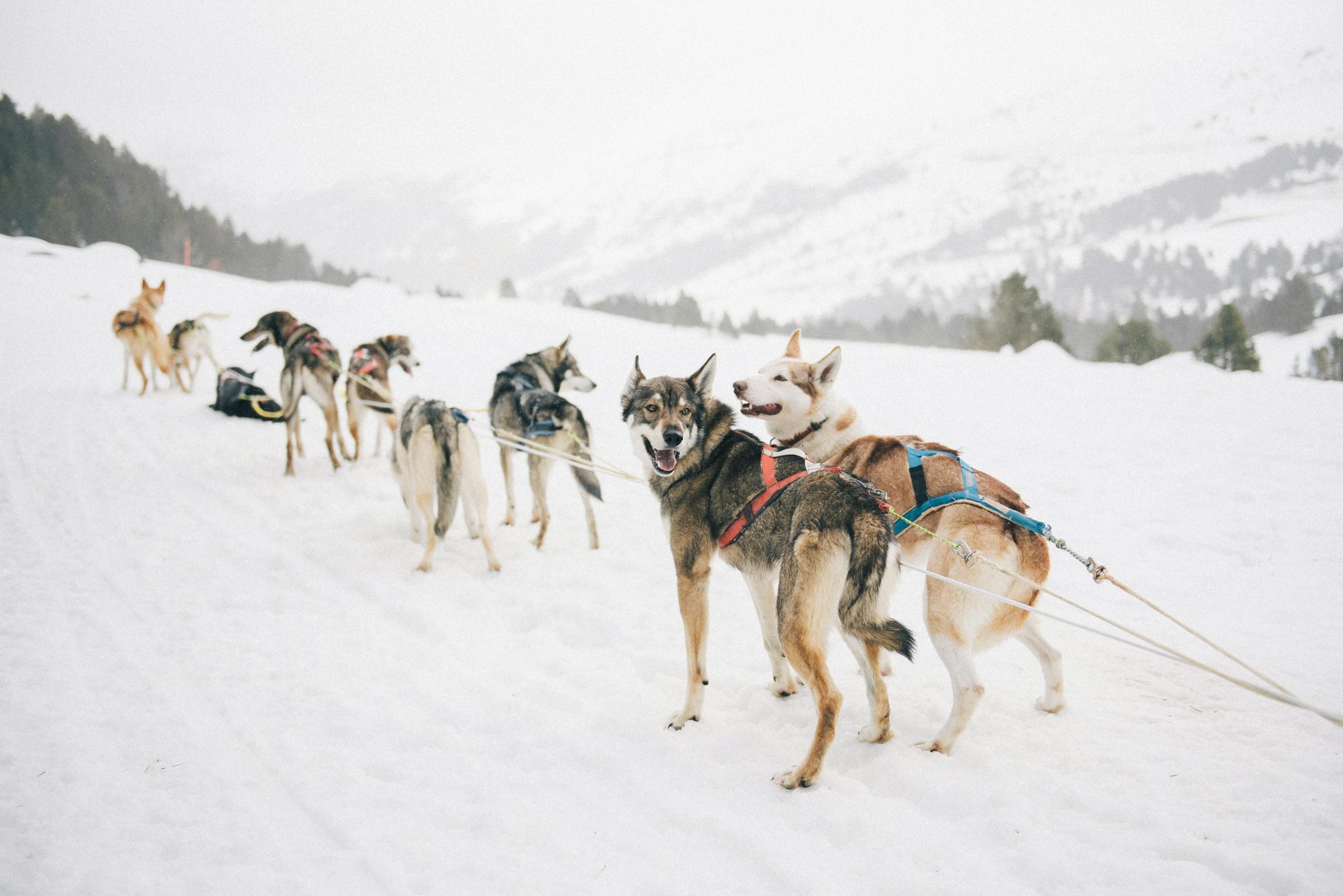
Finland has some of the toughest animal welfare legislation in the world, but it is not well suited to the realities of caring for sleddogs.
In Finland the Agriculture and Forestry Ministry enforces the Animal Protection Act, with the Food Safety Authority directing and supervising and the Regional State Administrative Agency implementing locally. Finland has, arguably, some of the toughest animal welfare legislation in the world, and each farm should be assessed annually. Yet the law is not well matched to life on a sleddog farm.
- Finland has some of the toughest animal welfare legislation in the world; farms assessed annually
- Sleddogs reclassified as 'small animals' for vet checks in the 2010 addendum to the animal welfare act
- Chains must legally be over 3.6m long - not always in the best interest of small or recovering dogs
- End-of-life decisions are entirely at the owner's discretion under current law
- Vets cannot fine farms directly; enforcement requires going to the police
Sleddogs in the wrong category
Despite thousands of working dogs, the law classifies sleddogs simply as general small animals, so vet checks use the criteria applied to pet dogs, cats, rabbits and hunting dogs. They moved into this category in the 2010 addendum to the animal welfare act, having previously been assessed against farm-animal standards. Sleddogs are kept quite differently from both, and it is high time legislation reflected that.
Judgement calls - the challenge of the 'grey'
Some parameters are easy to check, dogs per cage size or chain length. In practice farms can claim dogs are 'temporarily' together or on travel chains during a visit, even when those chains stay on for months.
Many dogs spend whole winters running multiday safaris, sleeping on short travel chains at wilderness cabins, mostly without kennels. For them, farm kennel compliance is largely irrelevant, and no vet can realistically inspect wilderness cabins.
State of living vs state of dying
Whether owners treat illness and injury or simply put dogs down to save expense is, in law, entirely at their discretion. That matters far more than whether a chain is exactly 3.6m. Even farms with some of the best names in the industry breed annually and keep only the cream of the crop, an attitude that may not survive a more knowledgeable consumer.
What happens now when a farm is non-compliant?
Vets write an 'official paper' on the day of the visit, with recommendations and a timeline. Unless an issue is extreme or black and white they rarely recheck within the year, so the system has brought little change. Inspectors cannot fine owners directly. Their only recourse is the police, effectively a criminal case, a hard route while no agreed standards say when enough is really enough.
Good to know
- Lead authority
- Agriculture and Forestry Ministry
- Sleddog legal category
- Small animal (since 2010 addendum)
Ready when you are
Real wilderness, 200+ huskies, eighteen winters in.